What Is the Best Custom Beanie for a Fall or Winter Event?
If you're planning an outdoor event in October, November, or January, there's a good chance the weather is going to become part of the event whether you planned for it or not.
People arrive in jackets. Someone forgets gloves. The temperature drops after sunset. By the end of the night, everyone is looking for something warm to put on.
That makes a custom beanie one of the more useful pieces of event merchandise you can order. Unlike another branded giveaway that gets stuffed into a bag and forgotten, a beanie solves an immediate problem. If it looks good and fits comfortably, people tend to keep wearing it long after the event is over.
But not every beanie makes sense for every event. A ski race in Vermont has different requirements than an October brewery festival. A corporate conference may call for something more understated than a holiday market. And if you're selling the beanies rather than giving them away, the design needs to look good enough that someone would actually spend money on it.
So which style should you choose?
For most fall and winter events, a cuffed beanie is the safest all-around choice, but midi, skully, jacquard, and pom styles can each make sense depending on the event, audience, and weather. Looking for custom beanies for a ski or snowboard event? That’s our bread and butter.
Cuffed Beanies Are the Best All-Around Event Choice
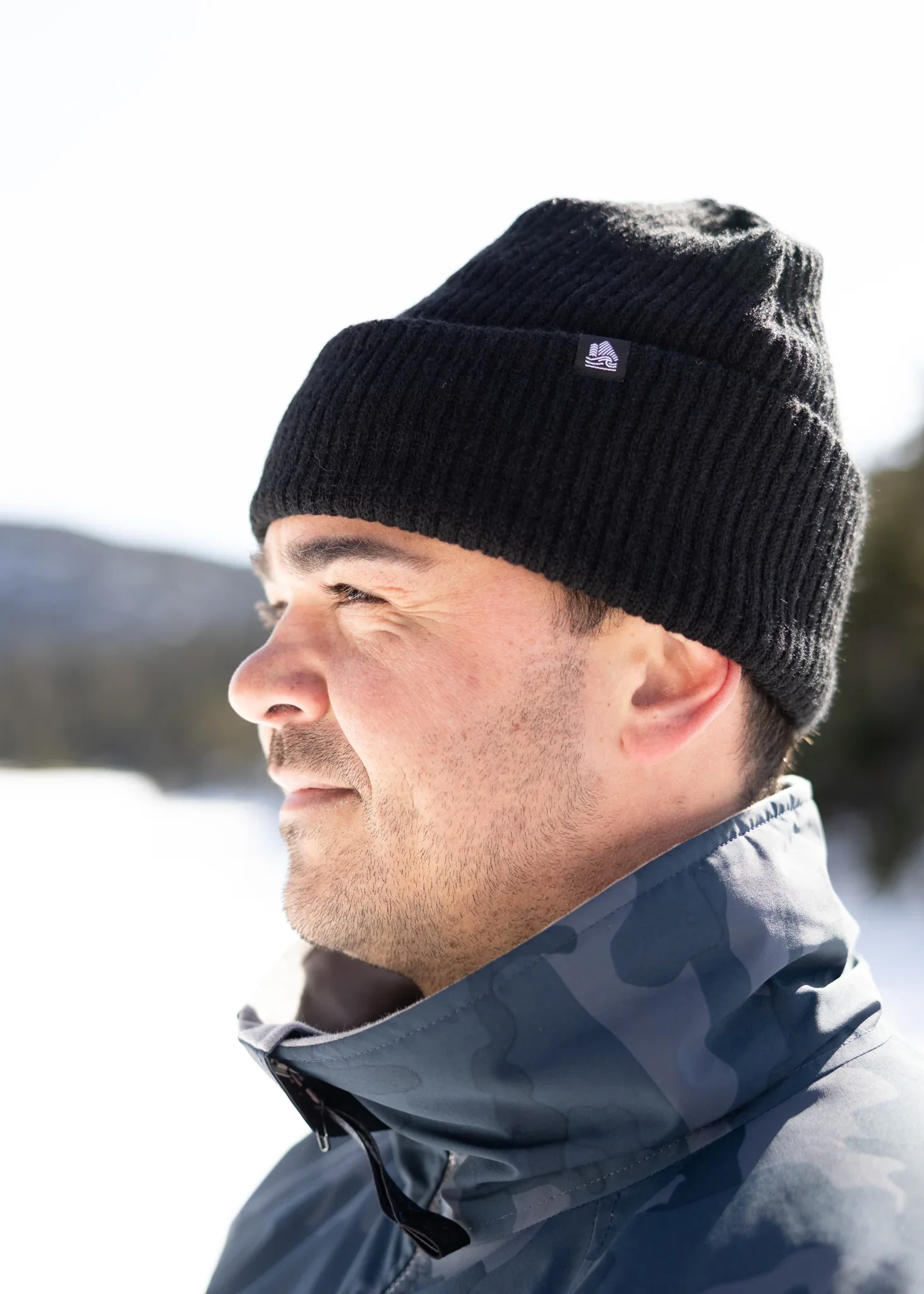
If you're ordering hundreds of beanies for an event and need one style that will work for the widest possible audience, start with a cuffed beanie.
The folded cuff gives the beanie a familiar shape, good ear coverage, and a secure fit. It also creates an obvious location for branding, which makes it particularly useful when the beanie is being used as an event giveaway.
A woven label on the cuff can carry a company logo, event name, sponsor information, or other small graphic without taking over the entire hat. For a more graphic approach, the beanie itself can be customized with a jacquard knit design.
Cuffed beanies also have another advantage: they don't feel overly specific to one type of person. Someone heading to a ski race can wear one. So can someone walking around a holiday market or standing outside at a November football game.
That versatility is hard to beat when you're buying for a crowd.
Midi Beanies Are a Good Choice for a More Fashion-Forward Event
A midi beanie has a little more length than a skully, giving it a relaxed shape without the pronounced fold of a traditional cuffed style.
This makes it a good option for events where the merchandise needs to feel more like contemporary apparel than standard promotional gear.
Think about a fall music festival, a brewery anniversary, an outdoor retail event, or a brand activation where people are likely to keep wearing the beanie after they leave.
The extra depth also gives you some flexibility in how the hat is worn. It can sit relatively close to the head or have a little room at the top for a more relaxed look.
For brands that care about the appearance of their merchandise, that distinction matters.
Choose a Skully When You Want a Low-Profile Fit
Skully beanies are shorter and sit closer to the head. They're a good fit for events where a clean, compact silhouette is more important than maximum coverage.
They're especially useful for active events where participants may be moving around, wearing hoods, or layering other clothing over the beanie.
A skully can work well for running events, outdoor brand activations, and fall events where temperatures are cool but not necessarily bitter.
If the event is happening in the middle of a Vermont winter, however, I'd lean toward a cuffed beanie instead. More coverage around the ears becomes increasingly valuable once the temperature really drops.
Jacquard Beanies Make Sense When the Design Is the Merchandise
Some events are really about the logo.
Others have artwork that people want to wear.
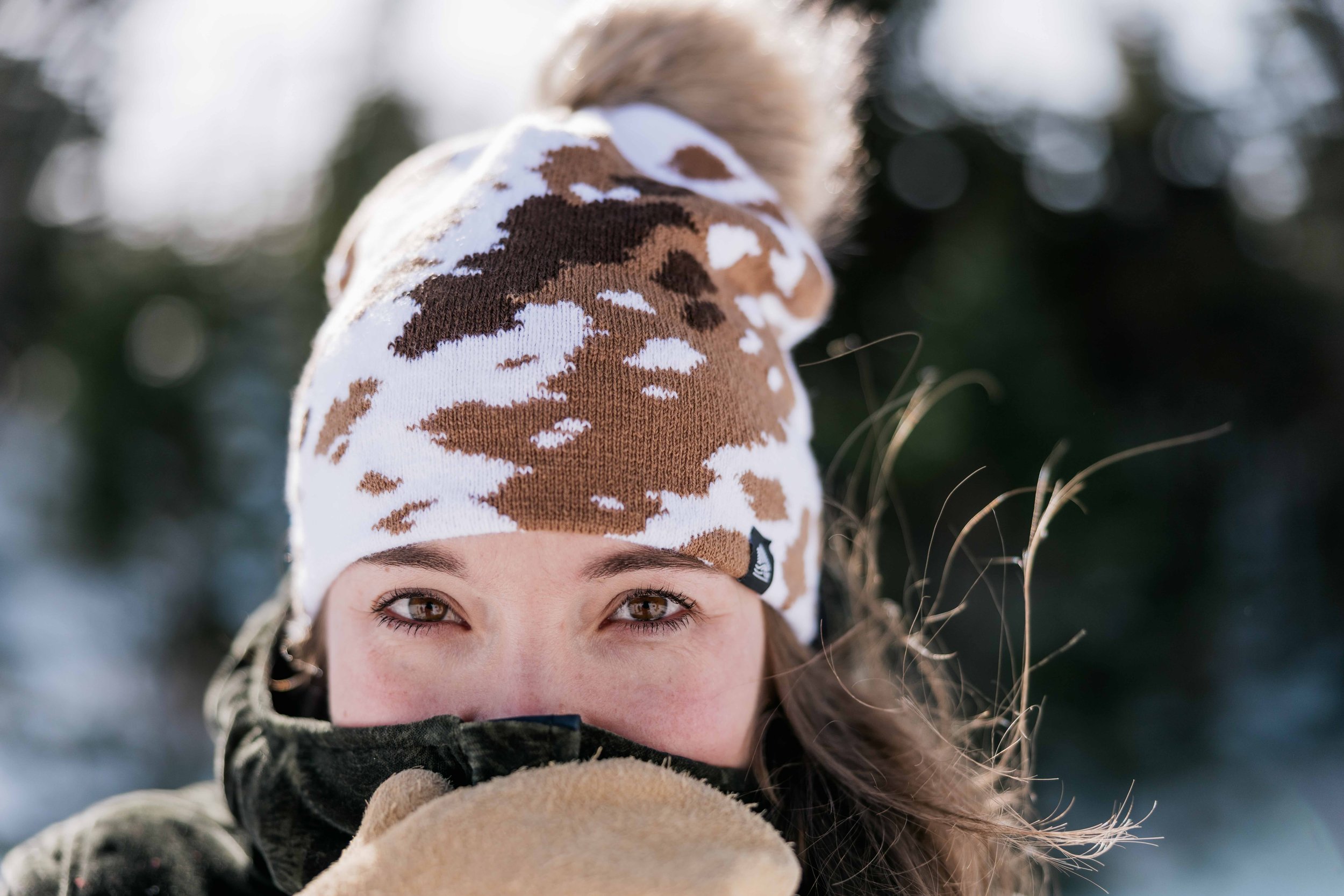
That's where a jacquard beanie can be especially effective. Instead of attaching a separate logo to the hat, the design is knitted directly into the fabric using multiple yarn colors.
This opens up considerably more creative possibilities. You can build repeating graphics, text, stripes, patterns, or a more prominent logo into the actual structure of the beanie.
For a ski race, music festival, outdoor brand, or annual event with a recognizable visual identity, this can turn the beanie into something people collect from year to year.
A good example is an event that happens annually. If the 2026 beanie has the same basic style as the 2025 version but introduces a new color or graphic, attendees immediately recognize the connection. Over several years, the beanies can become part of the event's identity.
Pom Beanies Bring More Personality
Pom beanies are a natural fit for events that lean into winter.
Ski resorts, holiday markets, winter festivals, outdoor races, and family-oriented events can all get more mileage from a pom because it makes the product feel a little more playful.
Fourbital offers acrylic poms in small, medium, and large sizes, with the ability to customize the pom using multiple yarn colors. Recycled faux fur poms are also available in black or brown for a different look.
The pom does change the personality of the beanie, though. If you're running a corporate conference in November, a traditional cuffed beanie might make more sense. If you're putting together merchandise for a winter festival in Stowe, a pom could be exactly what makes the hat worth buying.
Think About Whether You're Giving Them Away or Selling Them
This distinction should influence the design from the beginning.
If you're giving the beanies away at an event, you want something broadly wearable. A comfortable cuffed beanie in a versatile color with relatively subtle branding is a strong choice because people don't have to think too hard about whether they'll use it.
If you're selling the beanies, the standard gets higher.
Someone spending $25, $30, or more on event merchandise is comparing your hat with everything else they could buy. They care about the fit, color, design, and overall quality. The event logo alone isn't enough to justify the purchase.
This is where jacquard designs, better color combinations, woven labels, and thoughtful styling can make a difference.
The question becomes less "How do we put our logo on a beanie?" and more "Would someone buy this if they saw it in a store?"
That's the standard I'd use.
Match the Beanie to the Weather
Fall and winter cover a pretty large range of temperatures.
An outdoor event in Burlington in September might call for something relatively lightweight and low profile. A January event in the mountains has a very different set of requirements.
For colder conditions, prioritize ear coverage and a secure fit. Cuffed and deeper styles generally make more sense. If people will be standing around outside for long periods, warmth becomes part of the event experience whether you're thinking about it or not.
For milder fall events, a skully or midi can provide enough warmth without feeling overly heavy.
You should also think about what attendees will do with the beanie after the event. A versatile style that works for everyday wear has a much better chance of becoming a favorite than something designed so specifically for one occasion that it never gets worn again.
Color Can Make or Break Event Merchandise
Event organizers often default to putting their logo on whatever color seems closest to their brand guidelines.
That's understandable, but it isn't always the best choice.
A beanie is clothing. People have to want to wear it with their jacket, jeans, ski gear, or whatever else they're wearing that day.
Black, charcoal, navy, cream, forest green, and other versatile colors tend to have broad appeal. Your event colors can then appear in the logo, woven label, jacquard pattern, or pom.
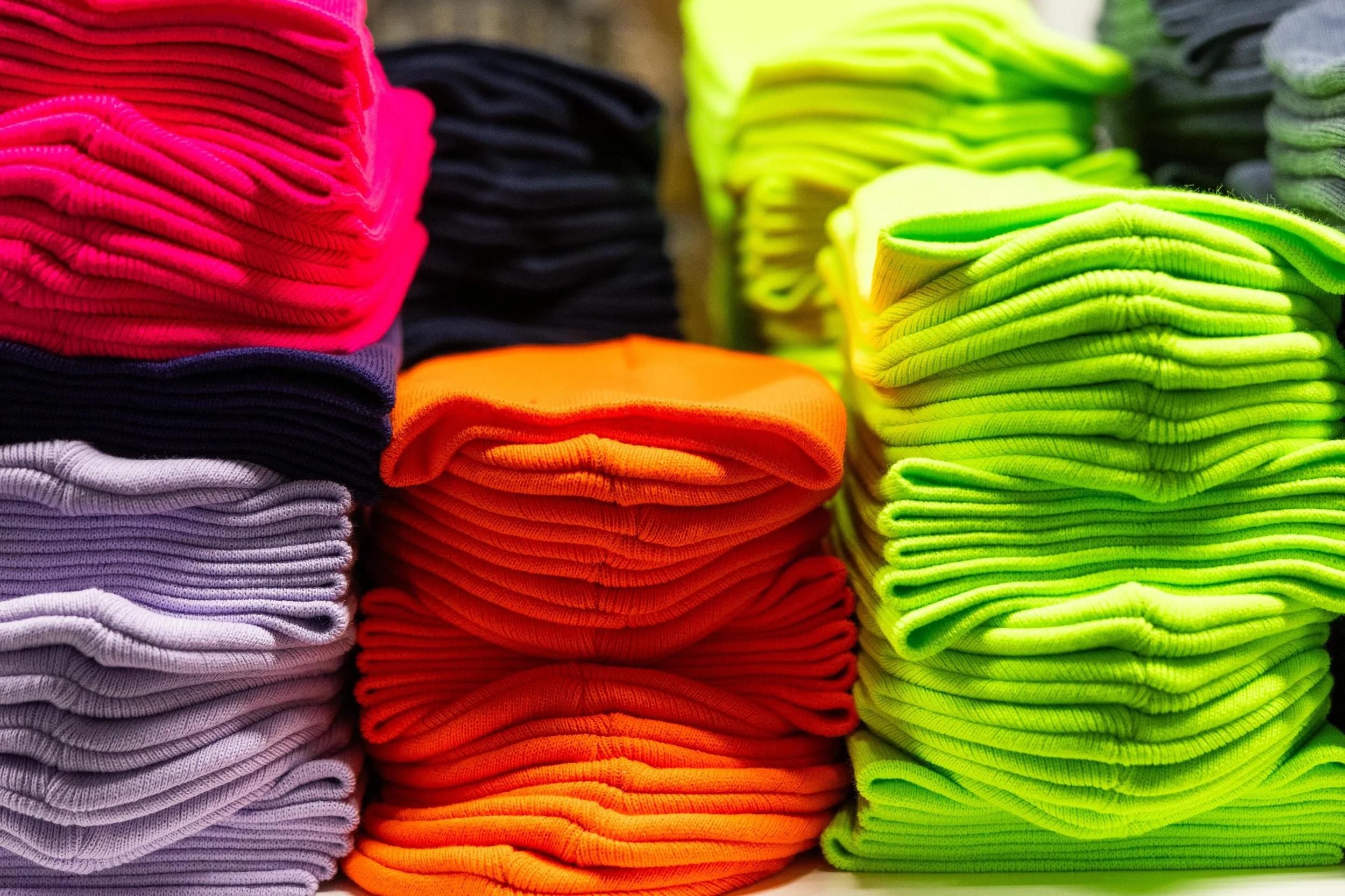
Fourbital offers more than 25 premium acrylic yarn colors, so there's plenty of flexibility to build an event-specific palette without sacrificing wearability.
Order Early for Winter Events
The easiest mistake to make with seasonal merchandise is waiting until the season arrives.
By the time November rolls around, your winter event is probably already on the calendar, your artwork should be finished, and your merchandise should be somewhere in production rather than sitting in the planning stage.
Fourbital's typical custom beanie production timeline is 4–6 weeks from final design approval, although the exact timeline depends on the style, quantity, and customization involved. Rush options may also be available for projects with tighter deadlines.
That means a January event shouldn't be the reason you're contacting a beanie manufacturer in January.
For a large event, give yourself additional room for artwork approval, samples, shipping, and any last-minute changes. The more complicated the design, the more valuable that buffer becomes.
The Best Event Beanie Is the One People Keep Wearing
A good event beanie should survive the event itself.
It should look good under a winter jacket. It should be comfortable enough to wear for several hours. The branding should feel intentional rather than slapped onto the front. And once the event is over, there should be a reason to keep it.
That's why a cuffed beanie remains the best starting point for most fall and winter events. It works across a wide range of people and conditions, provides strong coverage, and gives you plenty of room for branding.
But the right answer isn't always the most traditional one. A midi can give a fashion-oriented event a more contemporary look. A skully works well for active events. A jacquard can turn event artwork into part of the product itself. A pom adds personality when the occasion calls for something unmistakably winter.
The best merchandise doesn't remind people where they got it every time they look at it.
It reminds them that they liked it enough to keep wearing it.
Frequently Asked Questions About Custom Beanies for Events
What is the best custom beanie for a fall or winter event?
A cuffed beanie is generally the best all-around choice because it offers good ear coverage, a versatile fit, and a natural location for branding. Midi, skully, jacquard, and pom beanies can also work depending on the event, audience, and desired style.
Are custom beanies good giveaways for winter events?
Yes. Beanies are practical winter accessories that people can use immediately at an outdoor event and continue wearing afterward. This makes them particularly effective compared with promotional products that have limited everyday use.
What beanie style is best for a ski event?
A cuffed or pom beanie is usually a strong choice for ski events because both provide good coverage and work naturally with winter clothing. A jacquard beanie can also be effective when the event has a prominent logo or graphic identity.
What is the best beanie for a fall outdoor event?
For milder fall weather, a midi or skully beanie can provide warmth without feeling overly heavy. A cuffed beanie is a better choice if temperatures are expected to drop significantly or attendees will spend several hours outside.
Should I use a large logo on an event beanie?
Not necessarily. Smaller woven labels or integrated jacquard designs can create a more wearable product. If you're selling the beanies, understated branding can also make the hat feel more like retail merchandise.
How far in advance should I order custom beanies for an event?
Fourbital's typical production timeline is 4–6 weeks from final design approval, depending on the style, quantity, and customization. It's best to begin planning earlier for large events or complicated designs so there is enough time for artwork, samples, production, and shipping.
Can I customize the colors of event beanies?
Yes. Fourbital offers more than 25 premium acrylic yarn colors, allowing brands and event organizers to create custom color combinations. Jacquard designs can incorporate multiple yarn colors, while acrylic pom poms can also be customized with multiple colors.