
Custom Beanies Made in the USA vs Overseas: What’s the Real Difference?
If you’re looking to make some beanies, you probably have a lot of questions before getting started. Whether you’re custom beanies for your brand, ski resort, retail store, or event, you’ve likely thought:
Should we manufacture in the USA or overseas?
At first glance, overseas production can appear less expensive. But when you look beyond the per-unit price, the differences become more complex — and more strategic.
Here’s what brands should actually consider when comparing custom beanies made in the USA vs overseas manufacturing.
1. Minimum Order Quantities (MOQ)
One of the biggest differences between domestic and overseas production is minimum order quantity.
Many overseas manufacturers require:
100–500+ units per design
Larger commitments for custom yarn colors
Higher minimums for jacquard patterns
For smaller brands, that can mean significant upfront investment and inventory risk.
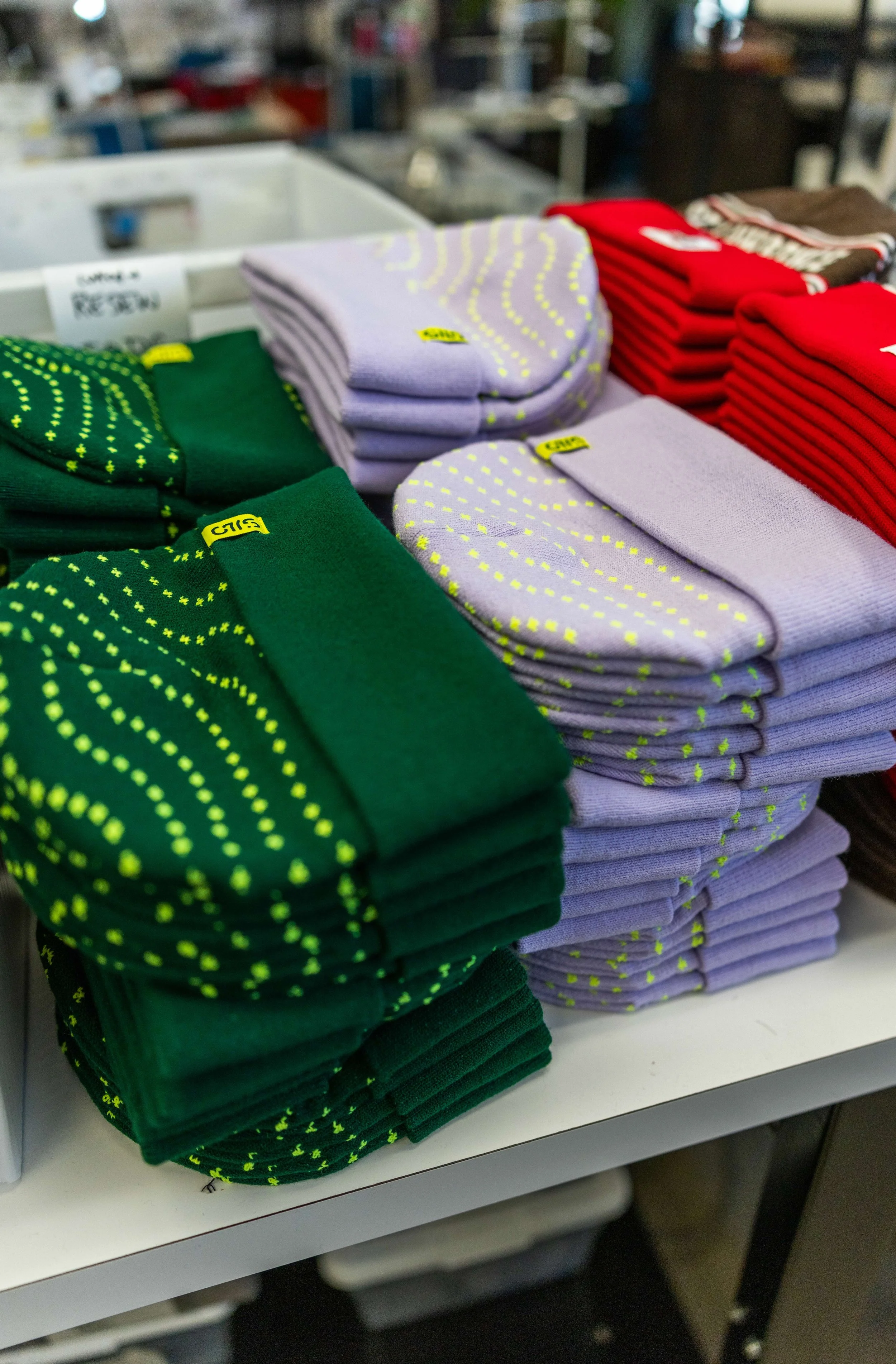
At Fourbital Factory, most custom knit beanies have a 25–50 unit MOQ, depending on style and customization details.
Lower MOQs allow brands to:
Test new designs
Run limited-edition drops
Reduce excess inventory
Preserve cash flow
For startups, boutiques, and seasonal businesses, that flexibility is often more valuable than a slightly lower per-unit cost.
2. Lead Times & Production Speed
Overseas production often includes:
Factory scheduling delays
International freight shipping
Port congestion risks
Customs clearance time
Production timelines can stretch significantly during peak seasons.
Domestic manufacturing typically offers:
Shorter supply chains
Faster communication
More predictable scheduling
Easier reorders
For time-sensitive launches — like ski season openings, holiday retail, or event merch — reliability matters just as much as cost.
3. Communication & Design Iteration
Custom knit beanies involve:
Yarn color selection
Stitch density adjustments
Logo formatting
Sampling and revisions
When working overseas, time zone differences and language barriers can slow the revision process.
With USA-based production, brands often experience:
Faster response times
Clearer communication
Easier design adjustments
More collaborative development
This can be especially important when refining jacquard patterns or embroidery placement.
4. Quality Control & Consistency
Quality consistency is influenced by:
Machine calibration
Yarn sourcing
Inspection processes
Production oversight
Domestic manufacturing allows:
Closer quality monitoring
Faster correction of issues
Easier repeat orders
Greater transparency in materials
When your brand reputation depends on product quality, that oversight can make a significant difference.
5. Inventory Risk & Reordering Flexibility
Large overseas minimums often require brands to commit to high quantities months in advance.
That can lead to:
Overstock
Storage costs
Cash flow pressure
Risk if a design underperforms
Smaller domestic production runs allow brands to:
Launch smaller batches
Reorder based on demand
Adjust colorways mid-season
Reduce financial exposure
Agility is a competitive advantage — especially in retail.
6. Cost: The Bigger Picture
It’s true that overseas manufacturing may offer a lower base unit price in some cases.
But total landed cost should include:
Freight shipping
Tariffs or duties
Customs brokerage
Shipping insurance
Warehousing
Longer capital lock-up
When factoring in inventory risk and flexibility, the difference often narrows — particularly for smaller runs.
Cost isn’t just about unit price. It’s about total operational impact.
7. Brand Positioning & Storytelling
For some brands, manufacturing location plays a role in identity.
“Made in USA” can support:
Domestic craftsmanship positioning
Sustainability messaging
Regional brand storytelling
Transparent supply chains
For others, price sensitivity may outweigh that factor.
The right decision depends on your audience, margins, and long-term strategy.
When Does Overseas Manufacturing Make Sense?
Overseas production may be appropriate when:
You need very high volumes
You are optimizing strictly for lowest per-unit cost
Lead times are flexible
You have predictable long-term demand
Large national brands often operate this way.
When Does USA Manufacturing Make Sense?
Domestic production is often the better choice when:
You need lower MOQs
You want faster reorders
You’re testing new designs
You value communication speed
You prioritize quality oversight
You’re planning seasonal launches
For many growing brands, flexibility and reliability outweigh marginal unit savings.
So, What’s the Real Difference?
The real difference between custom beanies made in the USA and overseas manufacturing isn’t just geography.
It comes down to:
Minimum order flexibility
Lead time reliability
Communication speed
Inventory risk
Cash flow impact
Brand positioning
For high-volume, cost-optimized production, overseas may make sense.
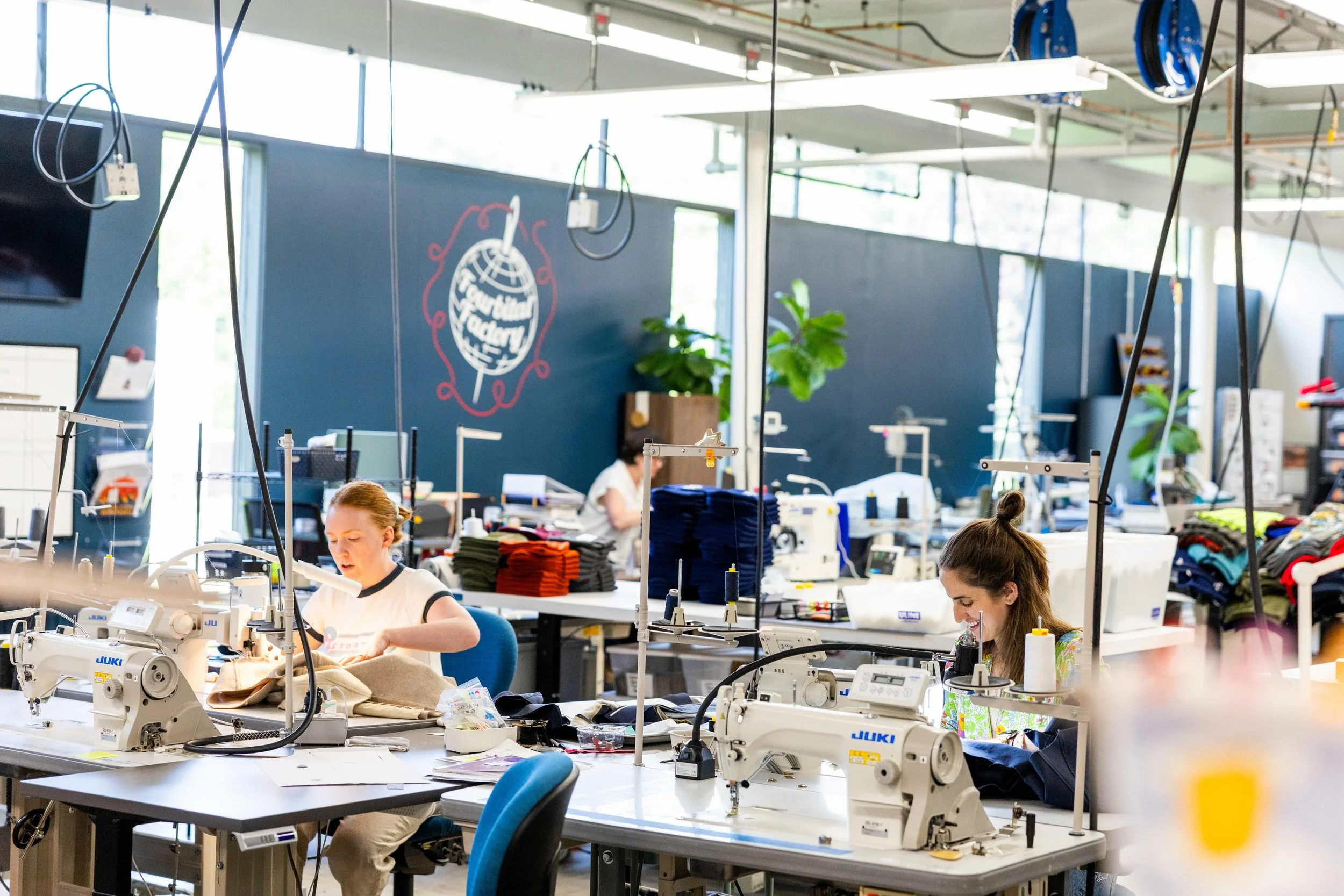
For agile brands that value smaller runs, faster timelines, and closer collaboration, USA manufacturing often delivers stronger long-term value.
Final Thoughts
There isn’t a universal “right” answer — only what aligns with your business model.
If you’re producing custom knit beanies for:
A ski resort
A boutique retail shop
A startup brand
A university
A corporate event
Working with a domestic manufacturer offering low minimums and responsive production can dramatically reduce risk while maintaining premium quality.
The smartest choice isn’t always the cheapest option — it’s the one that supports your brand’s growth.