What Material Makes the Warmest Beanie? Wool, Acrylic, and Recycled Yarn Explained
When you are shopping for or designing a custom beanie, warmth is usually the first question that comes up. But warmth is not just about thickness. The material your beanie is made from plays a huge role in how well it insulates, how it feels on your head, and how it performs in real winter conditions.
At Fourbital Factory, we work with brands, resorts, universities, and events to create beanies that are not only good-looking but functional and designed for cold weather. The three most common yarn types we use are wool blends, premium acrylic, and recycled yarns. Each has its own strengths depending on how and where the beanie will be worn.
Here is a breakdown of the most common beanie materials and how they compare when it comes to warmth, comfort, and performance.
What Actually Makes a Beanie Warm?
Before comparing materials, it helps to understand what makes a beanie warm in the first place.
A warm beanie does three things well:
Traps heat close to your head
Blocks wind and cold air
Maintains insulation even when temperatures drop or conditions change
Material matters, but so does knit structure, fit, and style. A cuffed or double-layer beanie will usually feel warmer than a single-layer style, regardless of yarn type. That said, yarn choice still plays a major role in overall warmth and comfort.
Wool and Wool Blends: Maximum Natural Warmth
Wool has been used for cold-weather gear for centuries, and for good reason. It is one of the warmest natural fibers available and performs exceptionally well in winter conditions.
Why Wool Is Warm
Wool fibers naturally trap air, which creates insulation. This allows wool beanies to retain heat even in very cold environments. Wool also helps regulate temperature, meaning it can keep you warm without overheating.
Pros of Wool Beanies
Excellent insulation in cold weather
Naturally breathable and moisture resistant
Maintains warmth even when damp
Long-lasting and durable
Things to Consider
Pure wool can feel itchy for some people, which is why many modern beanies use wool blends instead of 100 percent wool. Wool blends combine warmth with added softness and flexibility.
At Fourbital, wool blends are often chosen for brands or events that want a premium, cold-weather-focused beanie, especially for ski resorts, outdoor brands, or winter campaigns.
Best for:
Skiing and snowboarding
Very cold climates
Premium or performance-focused beanies
Acrylic Yarn: Warm, Soft, and Versatile
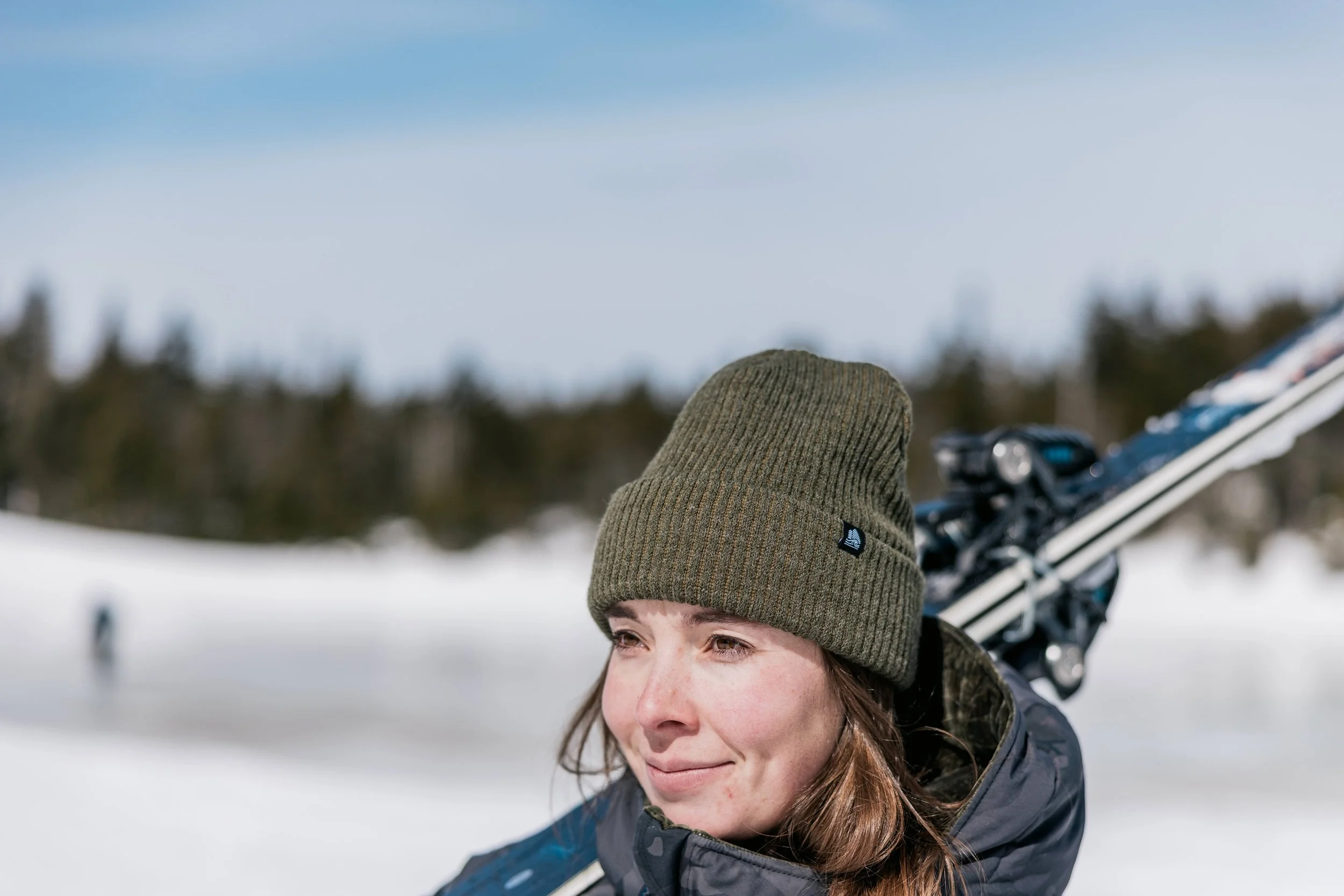
Premium acrylic yarn is one of the most commonly used materials in custom knit beanies, and for good reason. While it is synthetic, it performs surprisingly well in cold weather and offers excellent consistency for custom production.
Why Acrylic Is Warm
Acrylic yarn traps heat effectively while remaining lightweight. It is not as insulating as wool in extreme cold, but when knit into a ribbed or cuffed beanie, it provides reliable warmth for everyday winter use.
Pros of Acrylic Beanies
Soft and comfortable against the skin
Consistent color and knit quality
Durable and easy to care for
Great for detailed designs and branding
Cost-effective for larger orders
Things to Consider
Acrylic does not regulate moisture the same way wool does, but for most urban, lifestyle, and event use, this is not an issue.
Fourbital stocks a wide range of premium acrylic yarn colors, making acrylic an ideal choice for fully custom designs, jacquard knits, and branded beanies that need bold, accurate color matching.
Best for:
Everyday winter wear
Branded and promotional beanies
Events, universities, and companies
Custom colors and detailed designs
Recycled Yarn: Warmth with Sustainability in Mind
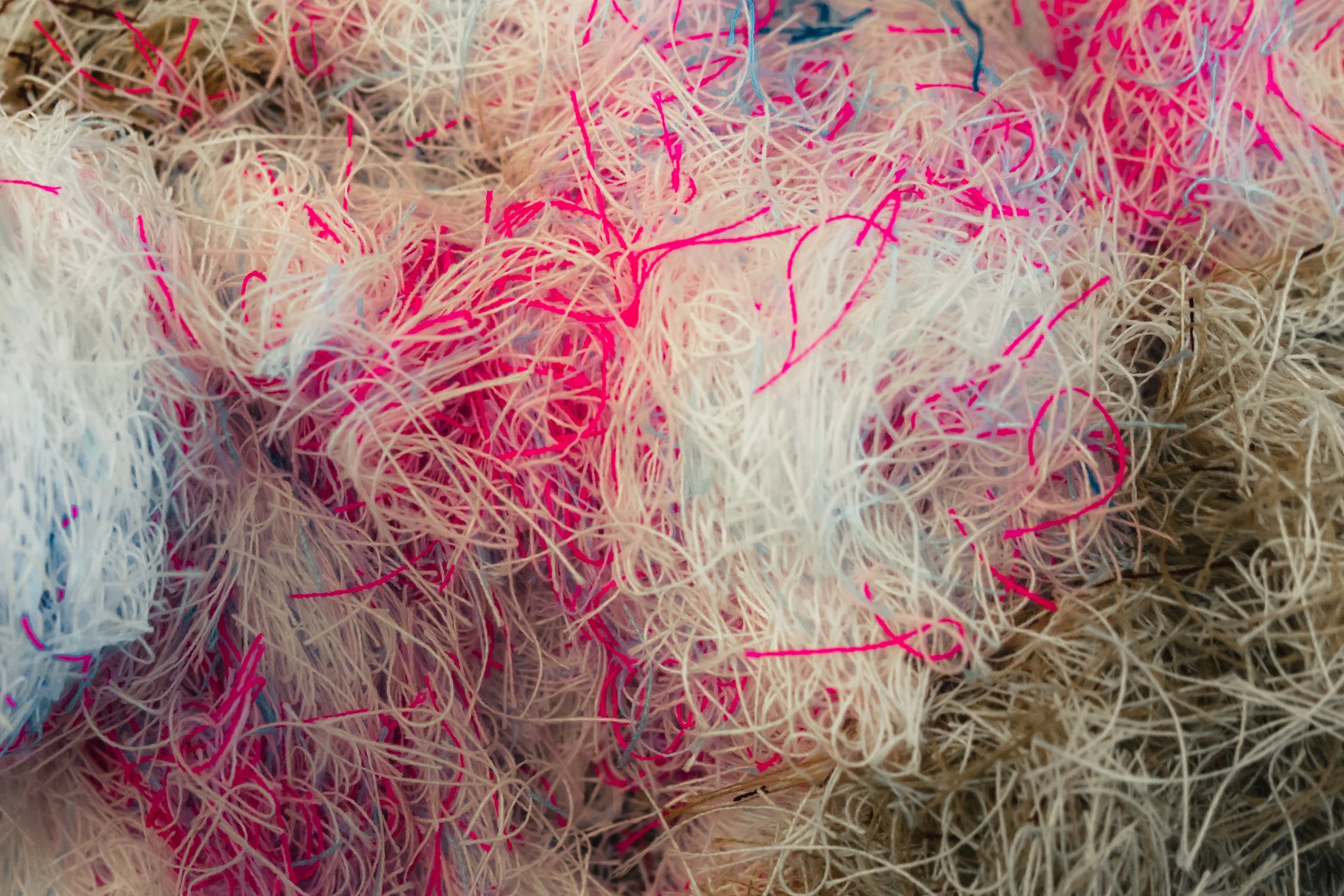
Recycled yarns offer a balance of warmth, durability, and environmental responsibility. These yarns are typically made from recycled plastics or reclaimed fibers and are engineered to perform similarly to traditional acrylic.
Why Recycled Yarn Is Warm
Recycled yarns are designed to mimic the insulating properties of synthetic fibers while reducing environmental impact. When knit into a structured beanie, they provide dependable warmth for winter conditions.
Pros of Recycled Yarn Beanies
Comparable warmth to acrylic
Supports sustainability goals
Durable and consistent
Ideal for eco-conscious brands
Things to Consider
Recycled yarns may have slightly more limited color options compared to standard acrylic, depending on availability. However, they still work very well for most custom projects.
At Fourbital Factory, recycled yarns are a popular choice for brands that want to tell a sustainability story without sacrificing quality or performance.
Best for:
Eco-conscious brands and events
Corporate gifting with sustainability goals
Does Beanie Style Affect Warmth?
Yes. Even the warmest yarn can feel cold if the beanie style is not right.
Some of the warmest beanie styles Fourbital offers include:
Cuffed beanies, which provide extra insulation around the ears
Ribbed knits, which trap more air for warmth
Pom beanies, which often have thicker knits and added structure
Jacquard beanies with double-layer construction
Skully and midi styles can still be warm, especially when knit tightly or worn during active use, but they are generally better suited for mild to moderate cold.
So, What Material Makes the Warmest Beanie?
If warmth alone is the top priority, wool or wool blends typically perform best, especially in the very cold conditions we have in Vermont.
If you want a balance of warmth, comfort, durability, and design flexibility, premium acrylic is an excellent choice and the most versatile option for custom beanies.
If sustainability is part of your brand story, recycled yarns offer solid warmth while aligning with environmental values.
The warmest beanie is not just about yarn choice. It is about matching the right material with the right style, construction, and intended use.
Choosing the Right Material for Your Custom Beanie
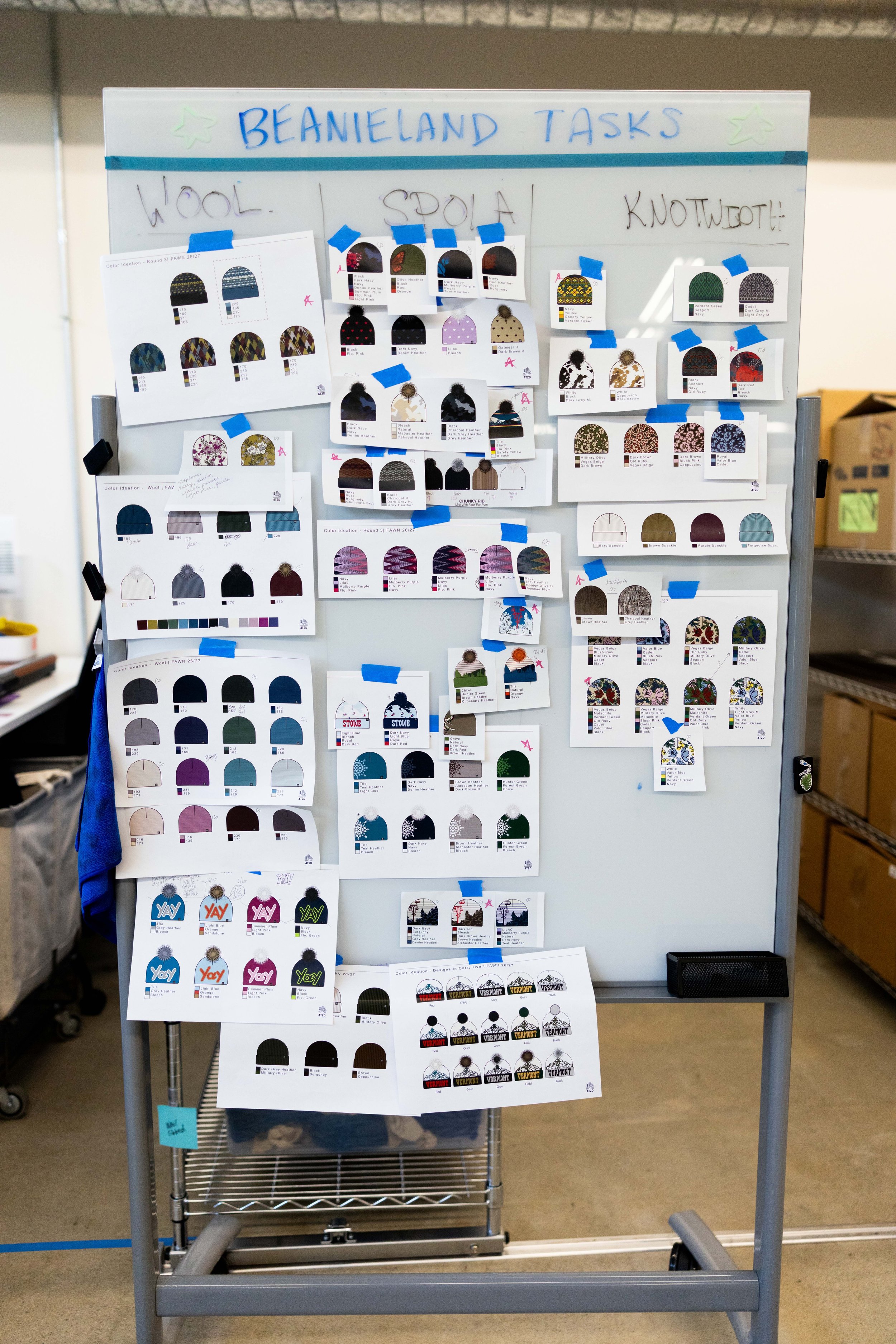
When designing a custom beanie with Fourbital Factory, we help guide you through material selection based on:
Climate and season
Intended use (active, lifestyle, promotional)
Branding and design needs
Sustainability goals
Budget and timeline
All of our beanies are knit in Vermont with a focus on quality, durability, and real-world performance.
If you are planning a winter project and wondering which material makes the warmest beanie for your needs, our team is always happy to help you choose the best option.