Why Branded Winter Gear Has a Longer Life Than Traditional Promotional Products
Most companies have ordered promotional products at some point. Pens, tote bags, water bottles, T-shirts, keychains, stickers, and other branded items have been staples of marketing campaigns, trade shows, employee programs, and corporate events for decades.
The problem is that a large percentage of traditional promotional merchandise has a very short useful life. An item might make an impression when it is first handed out, but if it ends up in a desk drawer, donation bin, or the back of a closet a few weeks later, the marketing value disappears with it.
Branded winter gear works differently. A well-designed beanie, scarf, or other piece of cold-weather apparel serves a practical purpose, and that usefulness gives it a reason to come back out year after year. Instead of being viewed simply as promotional merchandise, it can become part of someone's regular winter wardrobe.
For brands trying to create merchandise that people genuinely want to keep, that difference matters.
Useful Promotional Products Tend to Stay in Rotation
The lifespan of any branded product depends largely on whether someone has a reason to use it.
A branded pen may be useful until it runs out of ink. A sticker may stay visible for years, but only if someone likes it enough to put it somewhere permanent. A promotional tote can be useful, but many people already own more reusable bags than they need.
Winter apparel solves a recurring problem. When the temperature drops, people need warm clothing.
A good beanie can be worn while commuting, walking a dog, shoveling snow, attending an outdoor event, skiing, snowboarding, traveling, or simply running errands. When winter returns the following year, the same need returns with it.
That repeated usefulness is one reason a quality beanie can remain wearable for many years. If the product is comfortable, durable, and designed well, there is no reason it cannot come back into someone's rotation season after season.
For a brand, every one of those wears represents another opportunity for visibility without another advertising spend.
Good Branded Gear Stops Feeling Like Advertising
There is an important distinction between merchandise that happens to have a logo on it and merchandise that someone genuinely likes wearing.
Traditional promotional products often lead with the branding. The company's name is the main reason the product exists, while the object itself is secondary. That can work for inexpensive giveaways, but it also makes the item easier to discard once the event or campaign is over.
Better branded apparel reverses that relationship. The product should be desirable first, with the branding incorporated in a way that complements the design.
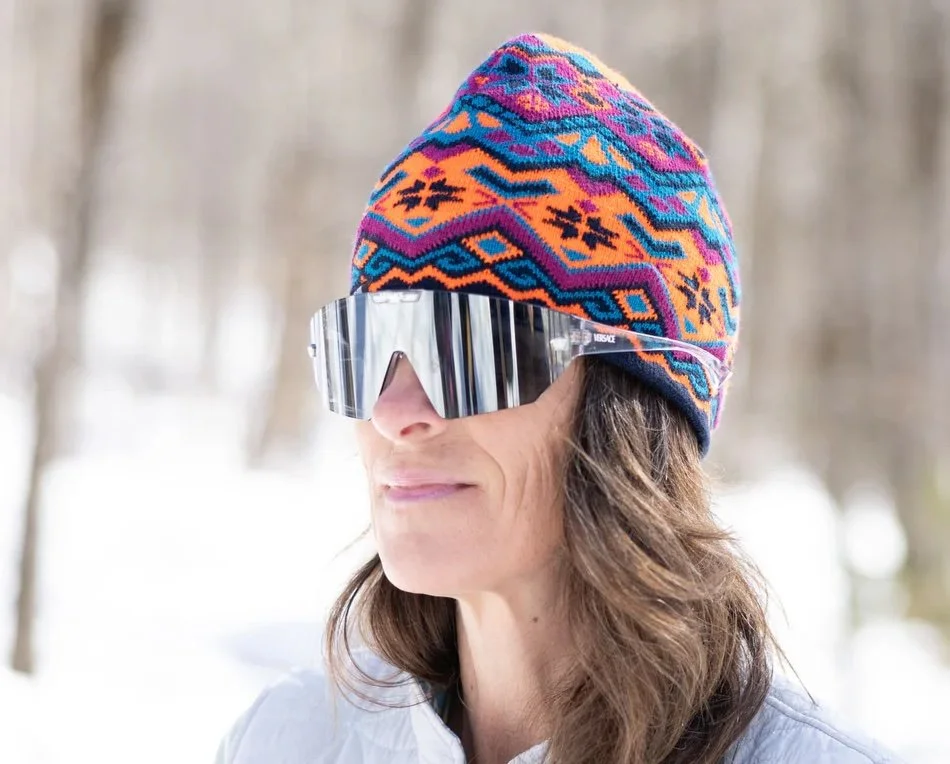
This is particularly important with custom knitwear because there are so many ways to integrate a brand into the finished piece. A company might use a subtle woven label on a ribbed beanie, incorporate its colors into a custom pattern, knit a logo directly into a jacquard design, or create something that looks more like retail merchandise than corporate swag.
When the finished product is something a person might have chosen for themselves, the logo becomes much less of a barrier to continued use.
That is one of the reasons we encourage companies to think about how to make a custom beanie for their company as a product-design project rather than simply choosing a blank hat and adding a logo.
Winter Gear Can Generate Brand Visibility for Multiple Seasons
When companies evaluate promotional merchandise, it is easy to focus on the initial unit cost. A cheaper item can look more attractive when you are ordering hundreds or thousands of pieces.
Cost per item, however, does not tell you how much value the product will generate after it is distributed.
Imagine two promotional products. One costs less but gets used twice before being forgotten. The other costs more but gets worn regularly for five winters.
The second product has far more opportunities to expose the brand to customers, coworkers, friends, commuters, ski-lift passengers, event attendees, and anyone else who sees it being worn.
That long-term visibility is one of the major advantages of apparel people genuinely value. Fourbital's comparison of cheap vs. premium custom beanies explores this idea in more detail: paying less upfront does not necessarily create better value if the finished item is uncomfortable, poorly made, or rarely worn.
The goal should not simply be to get branded products into people's hands. It should be to keep them there.
Beanies Have an Advantage Because They Are Easy to Wear
Sizing is one of the biggest obstacles with branded apparel.
T-shirts, jackets, hoodies, and other garments require companies to predict how many pieces they will need in multiple sizes. That adds inventory complexity and inevitably results in some people receiving the wrong size while other sizes are left over.
Most knit beanies avoid much of that problem because their stretch allows a single size to work for a broad range of people.
That makes them especially useful for employee gifts, conferences, customer giveaways, ski events, universities, nonprofit campaigns, and other programs where a company may not know every recipient's clothing size in advance.
Beanies also remain visible when people are bundled up. During winter, a branded T-shirt is usually hidden underneath a sweater, fleece, or jacket. A beanie stays exposed.
We compared those advantages more closely in our guide to custom beanies vs. T-shirts for promotional giveaways.
The result is a relatively simple piece of apparel that is easy to distribute, easy to wear, and highly visible during the time of year it is most useful.
Seasonal Doesn't Necessarily Mean Short-Lived
It might seem like a year-round promotional product would automatically offer better value than something designed specifically for winter, but seasonality can actually work in a brand's favor.
People often rotate their wardrobes with the seasons. Heavy coats, gloves, scarves, and beanies get packed away in spring and come back out when colder weather returns.
That creates a natural rediscovery moment.
Someone may receive a custom beanie at a company event in November, wear it throughout the winter, store it for several months, and then pull it out again the following October. The product suddenly feels useful again without the company having to distribute a new piece of merchandise.
Repeat that cycle over several winters and one branded product can remain relevant far longer than many items designed for constant year-round use.
Seasonality also gives brands opportunities to associate themselves with experiences people enjoy. A custom winter hat may become tied to ski trips, holidays, mountain weekends, sporting events, or time spent outdoors. Those associations can give the product more personal value than a generic giveaway.
Higher Perceived Value Makes People Less Likely to Throw It Away
People make quick judgments about promotional products.
If an item feels inexpensive or disposable, it is treated that way. If it feels like something that could have come from a retail store, people are more likely to keep it.
Winter apparel naturally has the potential for higher perceived value because consumers are accustomed to paying for it themselves. Receiving a warm, well-designed knit beanie feels different from receiving another branded pen or stress ball.
Material, construction, fit, and finishing all contribute to that impression. Soft yarn, clean knitting, thoughtful colors, a good silhouette, and well-integrated branding can turn a promotional item into something that feels like a genuine gift.
That distinction becomes particularly important for employee appreciation programs and customer gifts. If the goal is to make someone feel valued, the quality of the item communicates something about how much thought went into it.
A higher perceived value also increases the likelihood that someone will take care of the product and continue using it, extending its lifespan even further.

Long-Lasting Merchandise Can Be a Better Approach to Sustainability
Promotional merchandise creates an obvious sustainability question: what happens to all of these products after the campaign ends?
Producing enormous quantities of inexpensive items that are quickly discarded is difficult to justify simply because the unit cost is low. One alternative is to order fewer, better products that people are more likely to keep.
Longevity is an important part of that equation.
A beanie that stays in someone's wardrobe for years does not need to be replaced every season. The longer a product remains functional and desirable, the more value is extracted from the materials and energy that went into making it.
Manufacturing decisions matter as well. Fourbital Factory produces its custom beanies in Vermont, giving brands the option of pairing long-lasting merchandise with domestic production rather than relying solely on mass-produced imported promotional goods.
No physical product is without an environmental footprint, but creating something durable enough that people want to keep it is a much better starting point than designing merchandise around disposability.
Branded Winter Gear Works Beyond Giveaways
One of the other advantages of high-quality winter gear is that it does not have to be treated exclusively as a free promotional item.
A well-designed beanie can work as employee apparel, a customer gift, event merchandise, a loyalty reward, or even a retail product.
Ski resorts are an obvious example. A visitor may purchase a beanie because they like the mountain, but the hat continues advertising the resort every time they wear it back home. The same idea works for breweries, outdoor brands, universities, music festivals, independent retailers, restaurants, and companies with strong customer communities.
In these situations, the branding becomes part of the appeal rather than something the customer tolerates because the product was free.
Creating something people are willing to pay for is a useful test for promotional merchandise even if you ultimately plan to give it away. If the design and quality are good enough that someone could imagine seeing the product in a store, there is a much better chance they will continue using it.
Design Has a Major Impact on How Long Branded Gear Lasts
Durability is only half of product longevity. A beanie can physically last for years and still spend most of that time in a drawer if the design is not wearable.
Brands sometimes try to fit too much onto a promotional product. Oversized logos, excessive messaging, too many colors, or branding on every available surface can make an item feel more like an advertisement than apparel.
A more considered design often has a longer life.
That might mean incorporating a company's colors without displaying a huge logo, using a small woven label instead of oversized embroidery, or creating a jacquard pattern that references the brand without overwhelming the hat.
The goal is to find the point where the beanie is recognizable as yours while still being something the recipient would choose to wear regularly.
When those two objectives work together, branded merchandise becomes significantly more effective.
Fewer, Better Promotional Products Can Create More Value
For years, promotional marketing was often built around volume: order as many inexpensive items as possible and put the logo in front of as many people as possible.
There is still a place for inexpensive giveaways, but brands should also consider what happens after the initial distribution.
A thousand products that disappear within weeks may ultimately create less exposure than a smaller number of products that remain in active use for years.
That makes quality, usefulness, design, and durability marketing considerations rather than simply manufacturing considerations.
A custom beanie may cost more than a disposable promotional item, but comparing the two solely on purchase price ignores the most important question: how long will someone actually use it?
When a product earns a place in someone's wardrobe, its marketing life can continue long after the original campaign is over.
Create Branded Gear People Want to Keep
The most successful promotional product is not necessarily the one that costs the least or reaches the most people on day one. It is the one that continues doing its job months and years later.
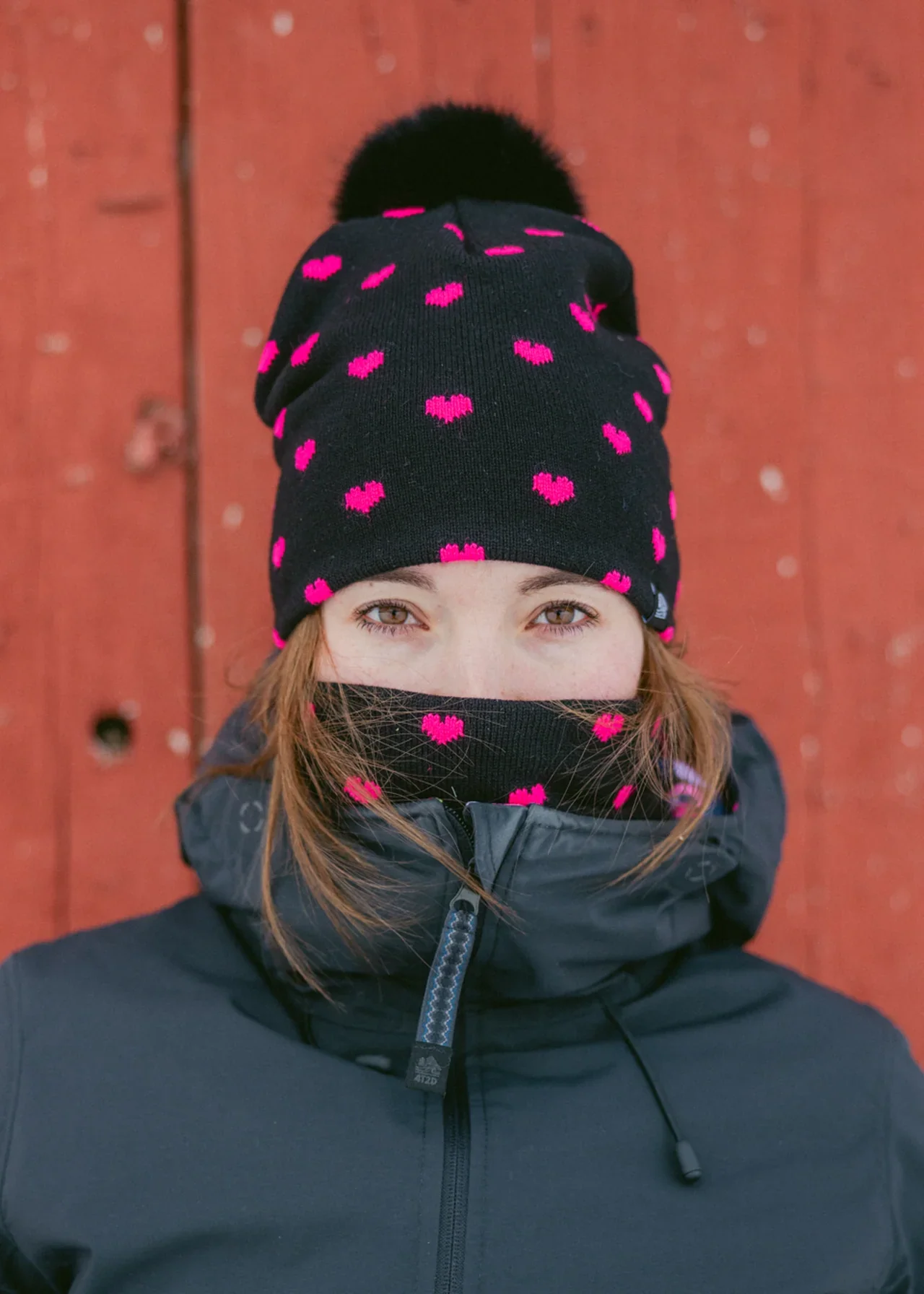
Branded winter gear has an inherent advantage because it combines advertising with something people actually need. A quality beanie provides warmth, becomes part of someone's seasonal wardrobe, and can return to use every winter.
When the material, design, construction, and branding are handled thoughtfully, it stops feeling like traditional promotional merchandise altogether.
It simply becomes a good beanie that happens to carry your brand.
Fourbital Factory manufactures custom knit beanies in Vermont for companies, organizations, events, resorts, schools, and brands looking to create merchandise people genuinely want to wear. If you're planning your next employee gift, winter campaign, retail collection, or promotional program, get in touch with Fourbital Factory to start designing something built for more than one season.
Frequently Asked Questions
Why do branded beanies make good promotional products?
Branded beanies combine marketing visibility with a practical product people can use throughout colder weather. A comfortable, well-designed beanie can return to someone's wardrobe for multiple winters, creating repeated brand exposure long after it was originally distributed.
Do promotional beanies last longer than other giveaways?
A quality beanie can remain useful for years when it is made with durable materials and cared for properly. Its practical winter function also gives recipients a recurring reason to use it, which can give it a longer active life than promotional products that are used only occasionally.
Are custom beanies good for employee gifts?
Yes. Custom beanies work particularly well for employee gifts because they have relatively simple sizing, provide genuine seasonal utility, and can feel more substantial than many traditional promotional items. A thoughtful design can also make the beanie feel like company apparel rather than generic corporate swag.
Are beanies better than T-shirts for winter promotions?
For cold-weather campaigns, beanies have several advantages. They stay visible when people are wearing coats and layers, generally require less sizing management, and provide an immediate practical benefit during winter. T-shirts can still work well for many campaigns, particularly during warmer months.
How can companies make branded merchandise people actually want to wear?
Start with the product rather than the logo. Choose quality materials, a comfortable fit, appealing colors, and a design that could work even without promotional messaging. Branding can then be incorporated through jacquard knitting, woven labels, embroidery, patches, or other details without overwhelming the product.
Is higher-quality promotional merchandise worth the additional cost?
It can be. A premium product that is regularly used for several years may generate significantly more brand exposure than a cheaper item that is quickly discarded. Companies should consider expected usage and product lifespan alongside the initial unit price.
Where are Fourbital Factory custom beanies made?
Fourbital Factory manufactures its custom knit beanies in Vermont, USA.