
Can Custom Beanies Be Eco-Friendly for Earth Day Promotions?
As brands plan campaigns around Earth Day, one question comes up more and more:
Can custom beanies actually be eco-friendly?
The short answer is yes - but it depends on how they’re made, what materials are used, and how they’re designed to be worn over time.
For brands looking to create meaningful, sustainable merchandise, custom knit beanies can be a strong option when approached thoughtfully.
Here’s how.
What Makes a Beanie Eco-Friendly?
Not all apparel is created equal when it comes to sustainability. For custom beanies, a few key factors determine their environmental impact:
Material selection
Manufacturing location
Production scale and waste
Product lifespan
An eco-friendly beanie isn’t just about one feature — it’s about the full lifecycle of the product.
1. Material Choices Matter
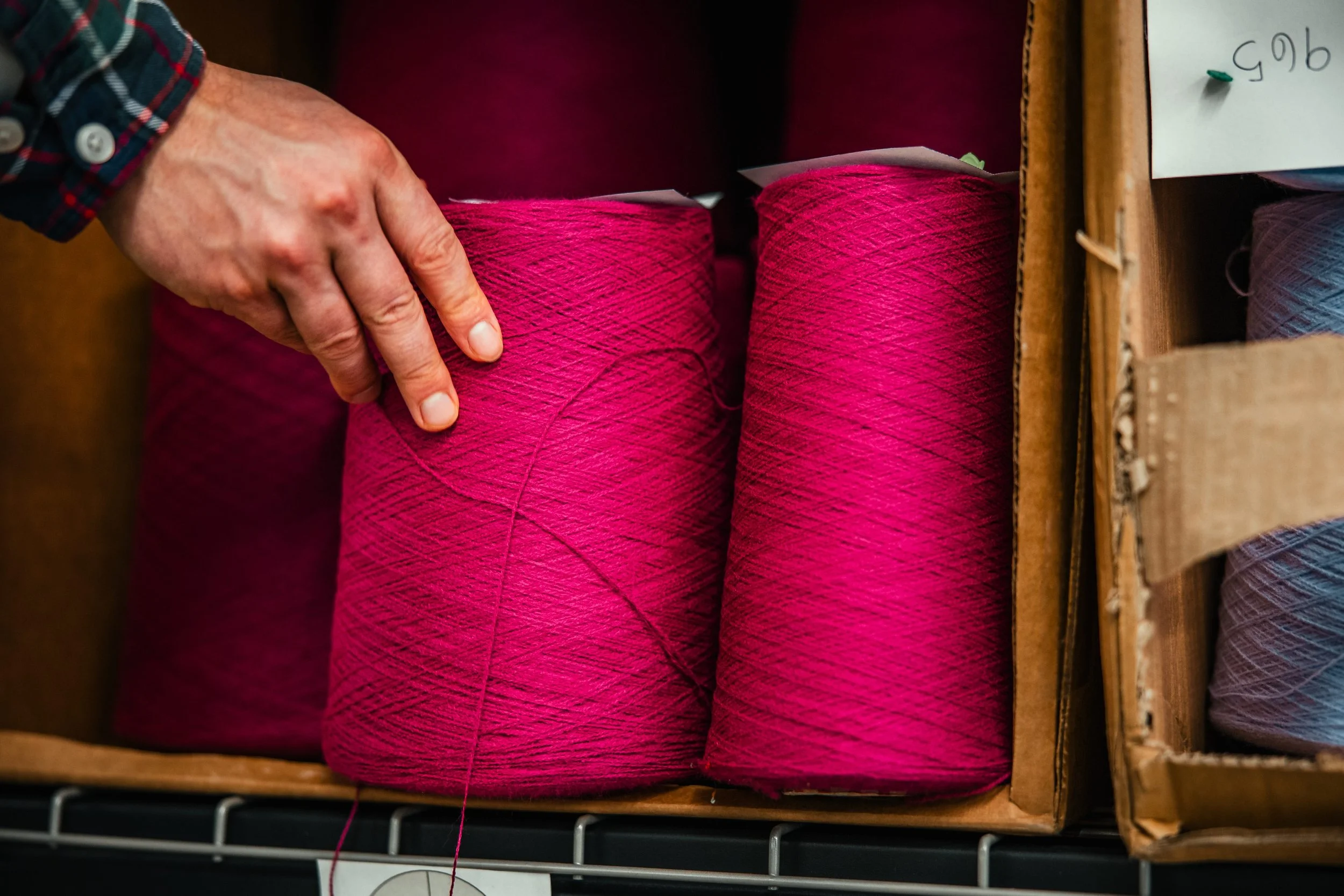
One of the biggest sustainability factors is the yarn itself.
Many custom beanies are made with premium acrylic yarn, which is durable and long-lasting. While acrylic is synthetic, its strength means the product holds up over time, which reduces the need for replacement.
For brands prioritizing sustainability, other options may include:
Recycled yarns
Blended fibers
Lower-impact material sourcing (depending on project scope)
The goal isn’t just “natural vs synthetic” — it’s creating a product that lasts.
2. Longevity Is Sustainability
One of the most overlooked aspects of sustainable merch is how often the product gets worn.
A beanie that’s worn every winter for years has a much lower environmental impact than:
Cheap, disposable swag
Trend-based items that get worn once
Poor-quality products that lose shape quickly
Custom beanies are naturally strong in this area because they are:
Seasonal staples
Functional in cold weather
Easy to style
Frequently worn
For Earth Day campaigns, longevity matters.
3. Local Manufacturing Reduces Impact
Where your beanies are made plays a major role in sustainability. There’s a big difference between custom beanies made in the USA vs. overseas.
Overseas production often involves:
Long shipping distances
Freight emissions
Extended supply chains
Domestic manufacturing helps reduce:
Transportation emissions
Packaging complexity
Production delays and waste
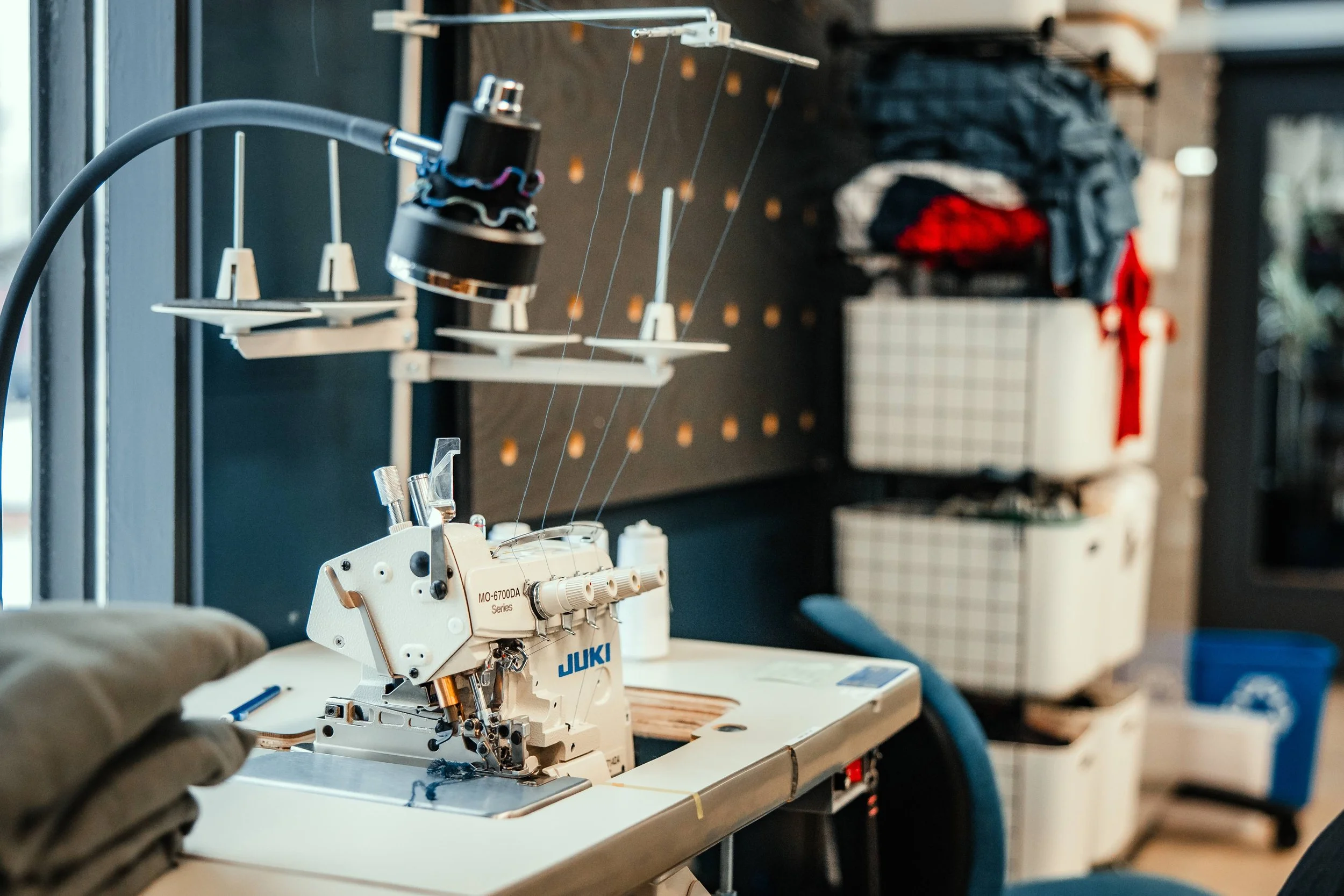
At Fourbital Factory, every beanie is knit in Vermont. That allows for tighter quality control, smaller production runs, and a more localized supply chain.
4. Smaller Runs = Less Waste
One of the biggest issues with promotional products is overproduction.
Large minimum order quantities can lead to:
Unsold inventory
Excess storage
Product waste
With lower minimums (typically 25–50 units), brands can:
Order only what they need
Test designs before scaling
Reduce leftover inventory
This is a simple but powerful way to make merch more sustainable.
5. Thoughtful Design Makes a Difference
Sustainability also comes down to design choices.
For example:
Timeless colorways vs trend-based designs
Clean logos vs overly complex graphics
Versatile styles, such as cuffed or midi fits
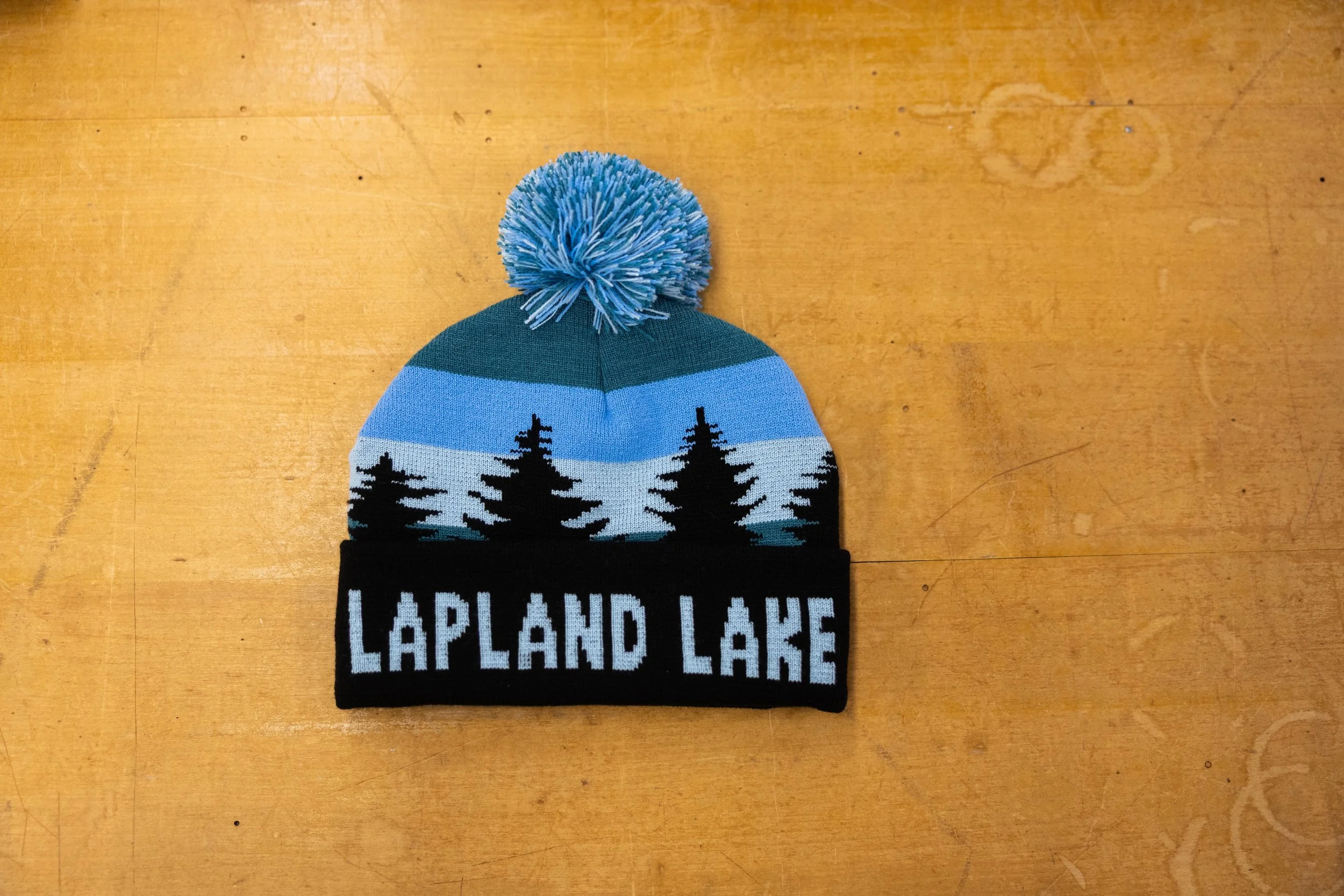
A well-designed beanie is more likely to stay in rotation year after year.
That’s where sustainability and branding align.
6. Are Beanies a Good Fit for Earth Day Campaigns?
Yes, especially when compared to traditional promotional items.
Instead of disposable products, custom beanies offer:
Practical use
Long-term wear
Strong perceived value
Ongoing brand visibility
They work well for:
Employee gifting
Nonprofit campaigns
Outdoor brands
Universities
Community events
When done right, they feel less like swag and more like something people actually want to keep. In short, beanies make great promotional products!
7. Avoiding Greenwashing
It’s important to be realistic.
Not every beanie is inherently “sustainable,” and customers are becoming more aware of that.
Instead of overpromising, strong Earth Day campaigns focus on:
Transparency
Quality
Longevity
Responsible production choices
Even small improvements - like lower minimums or domestic production - can make a meaningful difference.

So, Can Custom Beanies Be Eco-Friendly?
Yes — when they are designed with intention.
Eco-friendly custom beanies typically combine:
Durable materials
Thoughtful design
Smaller production runs
Local manufacturing when possible
Long-term wearability
For brands planning Earth Day promotions, that makes custom knit beanies a practical and responsible option.
Final Thoughts + FAQs
Are custom beanies sustainable?
Custom beanies can be sustainable when made with durable materials, produced in smaller quantities, and designed for long-term use.
What makes a beanie eco-friendly?
Material choice, manufacturing location, production volume, and product lifespan all contribute to how eco-friendly a beanie is.
Are promotional beanies better than other swag items?
Beanies are often more sustainable than disposable promotional items because they are functional, wearable, and used repeatedly over time.
The most sustainable product isn’t always the one with the best label — it’s the one that gets used.
Custom beanies stand out because they’re:
Functional
wearable
and built to last
For Earth Day campaigns, that combination creates something more meaningful than traditional promotional items.
If you’re thinking about creating custom beanies for an upcoming campaign, our team can help you explore materials, design options, and production approaches that align with your goals.