What Materials Are Best for Durable, High-Quality Custom Beanies?
If you’re ordering custom beanies for your brand, team, event, or retail line, one question matters more than most:
What material makes the best custom beanie?
The answer depends on your goals, but if you care about durability, comfort, appearance, and long-term wearability, material choice is one of the biggest factors in whether people actually keep wearing your beanie. Beanie materials also play a big part in warmth, as well.
Some yarns feel soft but lose shape quickly. Others last for years but may feel rough or heavy. The best custom beanies balance performance and comfort.
Here’s a breakdown of the most common materials used in custom beanies — and which are best for high-quality results.
What Makes a Beanie Material “High Quality”?
A premium custom beanie material should perform well in four key areas:
Durability – Holds shape, stitching, and elasticity over time
Comfort – Soft feel with minimal itchiness
Warmth – Suitable for cold-weather use
Appearance – Looks clean after repeated wear and washing
For branded merchandise, there’s also one more factor:
Print / knit compatibility – Works well with embroidery, jacquard knitting, or labels
The best material is the one that balances all of the above for your audience.
1. Premium Acrylic Yarn: Best Overall for Custom Beanies
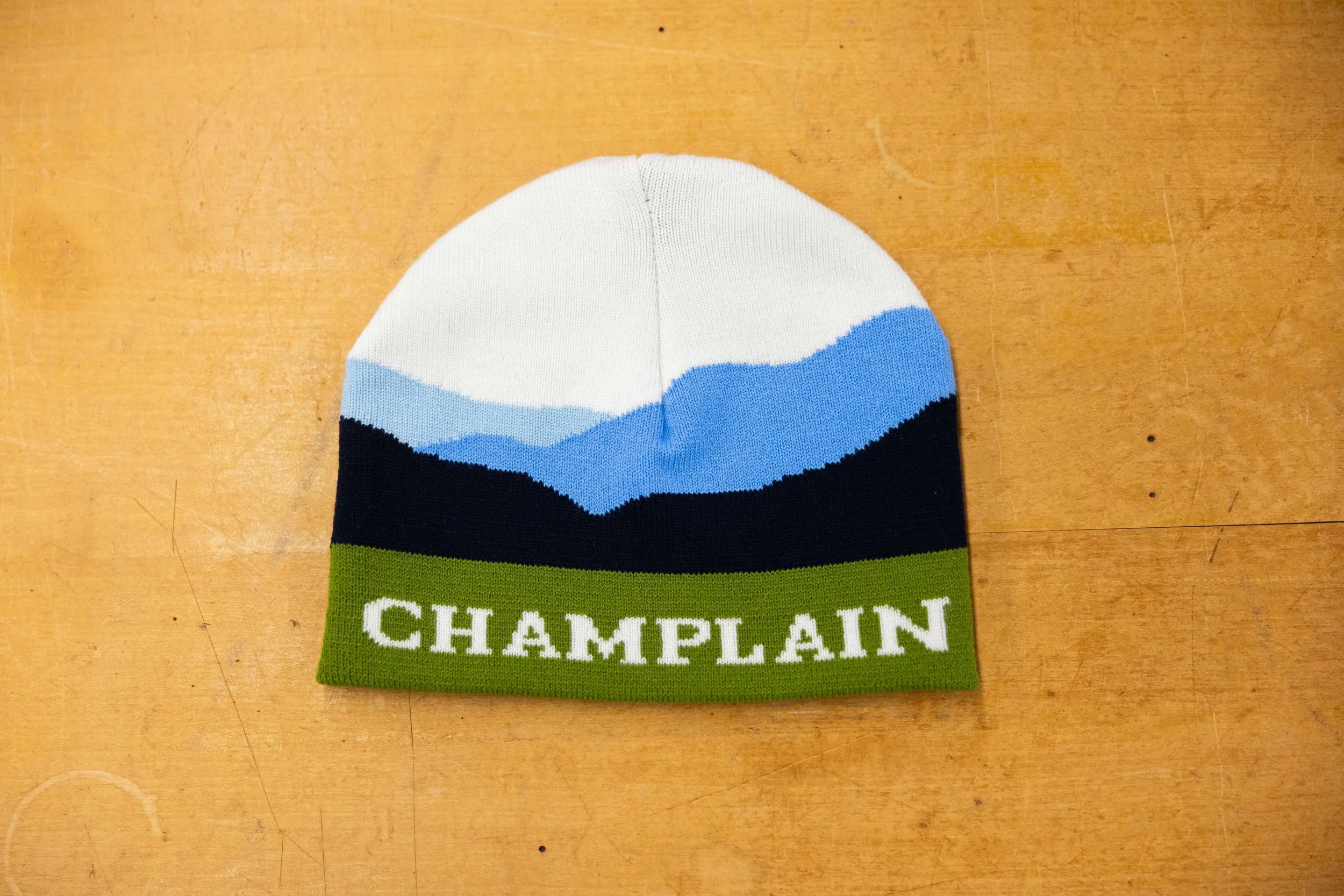
For many brands, premium acrylic yarn is the most practical and reliable material.
Why it’s popular:
Strong shape retention
Soft hand feel (when high grade)
Excellent color consistency
Affordable compared to wool
Great for embroidery and jacquard designs
Easy to care for
High-quality acrylic has improved dramatically over the years. It no longer needs to feel cheap or stiff when sourced well.
Best for:
Brand merch
Promotional beanies
Retail runs
Sports teams
Outdoor events
Bottom line:
For most custom projects, premium acrylic offers the best balance of quality, durability, and value.
2. Wool Blends: Best for Warmth and Premium Feel
Wool is a classic cold-weather material known for insulation and natural performance.
Benefits:
Excellent warmth
Moisture management
Premium texture
Strong winter appeal
However, pure wool can be itchier, shrink if mishandled, and cost more. That’s why many brands prefer wool blends, which combine wool with acrylic or other fibers.
Best for:
Premium winter collections
Outdoor brands
Ski markets
Heritage styling
Bottom line:
Great when warmth and premium positioning matter most.
3. Recycled Yarn Blends: Best for Sustainability Messaging
More brands are asking about lower-impact, eco-friendly beanie material options.
Recycled yarn blends can include reclaimed acrylic, polyester, or mixed fibers designed to reduce virgin material usage.
Benefits:
Strong sustainability story
Good durability depending on blend
Appeals to values-driven customers
Best for:
Earth Day campaigns
Mission-driven brands
Corporate sustainability initiatives
Bottom line:
A smart option when environmental positioning is part of the project.
4. Cotton Blends: Best for Mild Weather
Cotton can work well in lighter-weight beanies, but it is less common for winter-focused knitwear.
Benefits:
Soft feel
Breathable
Good for transitional weather
Limitations:
Less warmth than wool or acrylic
Can stretch out more easily depending on knit structure
Best for:
Spring/fall promotions
Lifestyle brands
Mild climates
Bottom line:
Useful in lighter seasonal beanies, but less ideal for deep winter performance.
Which Material Lasts the Longest?
For most custom beanies, premium acrylic and strong acrylic blends tend to offer the best long-term durability.
They resist:
Shrinking
Misshaping
Color fading
Excessive stretching
Wool can also last a long time with proper care, but it typically requires more maintenance.
Why Material Choice Impacts Brand Perception
Customers notice quality immediately.
A beanie that pills, stretches out, or feels scratchy can reflect poorly on the brand attached to it.
A beanie that feels soft, fits well, and lasts multiple seasons creates the opposite effect:
Better brand perception
More repeat wear
More visibility for your logo
Higher perceived value
That’s why material selection matters far beyond the factory floor.
How Fourbital Factory Approaches Quality
At Fourbital Factory, material recommendations are based on how the beanie will actually be used.
We help brands choose yarns based on:
Budget
Climate
Design style
Intended audience
Wear frequency
For many projects, premium acrylic offers the strongest combination of durability and performance, while specialty options may make sense for specific goals.
Final Thoughts
So, what materials are best for durable, high-quality custom beanies?
For most brands:
Premium acrylic is the best all-around choice
Wool blends are ideal for warmth and premium positioning
Recycled blends support sustainability goals
Cotton blends work for lighter seasonal wear
The best custom beanie is not just about looks — it’s about whether people keep wearing it year after year.
If you’re planning a custom beanie project, our team can help match the right material to your goals, audience, and budget.
Frequently Asked Questions About Beanie Materials
What is the most durable material for custom beanies?
Premium acrylic is one of the most durable materials for custom beanies because it holds shape well, resists shrinking, and maintains color over time.
Is wool better than acrylic for beanies?
Wool is warmer and more natural-feeling, while acrylic is easier to care for, more affordable, and often better for branded merch.
Are recycled yarn beanies good quality?
Yes. Many recycled yarn blends offer strong durability and comfort, depending on the specific fiber mix.
What material is best for promotional beanies?
Premium acrylic is often the best choice for promotional beanies because it balances cost, durability, comfort, and appearance.
Do cotton beanies last as long as acrylic?
Cotton blends can be comfortable, but acrylic typically offers better shape retention and cold-weather performance.